BC Hydro warns of high inflows on Campbell River and in Elk Falls Canyon
Published 8:00 pm Tuesday, January 27, 2026
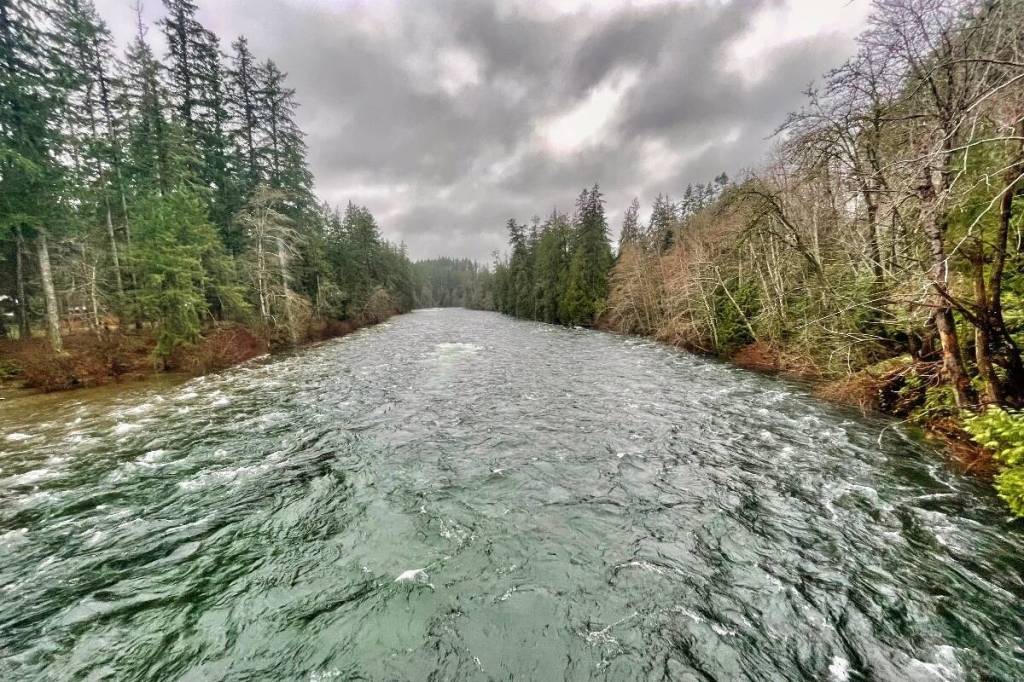
BC Hydro has announced that it expects above-average inflows starting this evening in Elk Falls Canyon.
This will cause water flows to rise from four cubic metres per second (m³/s) to approximately 90 m³/s.
“We are advising the public to please stay away from Elk Falls Canyon and the Campbell River,” said BC Hydro spokesperson Karla Louwers. “Temporary safety signage advising of the risk is in place along the river.”
An atmospheric river bringing moderate to heavy precipitation is in the forecast for Wednesday through Friday, with the potential for more wet weather to follow along with seasonally warm temperatures, resulting in sustained above normal inflows, about three times normal, over the next seven to 10 days, says BC Hydro.
The water level in the Upper Campbell reservoir and Buttle Lake is currently at 220.0 metres and within its Upper Corrective Zone. Its goal is to generally keep the reservoir level below 220.5 metres at this time of year for flood risk management abilities.
BC Hydro said it continues to generally run the three dams and generating stations in tandem.
“We are releasing extra water throughout the Campbell River system and this evening we will increase the total downstream water discharge from our John Hart facilities from about 125 m3/s to 210 m3/s. Spill down the Elk Falls Canyon will increase from 4 m3/s to 90 m3/s. We expect to maintain increased spill down Elk Falls Canyon through Feb. 10 and spill volume may range between 40 m3/s and 120 m3/s dependent on actual inflows into the Campbell River system.”